You'd be mostly safe doing this, but not entirely.
is there any reason at all to not use the Snapshot isolation level
It is possible for a read-only transaction to encounter an error:
CREATE TABLE dbo.AccessMe
(
    x integer NULL
);
CREATE TABLE dbo.TruncateMe
(
    x integer NULL
);
-- Connection 1
SET TRANSACTION ISOLATION LEVEL SNAPSHOT;
BEGIN TRANSACTION;
SELECT COUNT_BIG(*) FROM dbo.AccessMe;
-- Connection 2
TRUNCATE TABLE dbo.TruncateMe;
-- Connection 1
SELECT COUNT_BIG(*) FROM dbo.TruncateMe;
The final SELECT fails with:
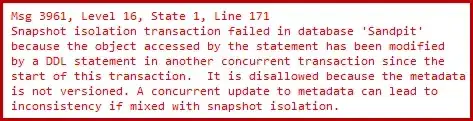
Example taken from my article The Snapshot Isolation Level.
Any DDL change to the target table (by another session) will produce a similar error. This example is interesting because TRUNCATE TABLE is not always regarded as being DDL.
Creating a temporary table e.g. with SELECT INTO then attempting to add an index fails for the same reason. You may not regard this as a read-only operation.
The same error results if someone executes sys.sp_recompile against an object accessed by the snapshot transaction.
This particular limitation will be addressed when SQL Server supports metadata versioning.
Statistics creation or updating is not a problem.
Other limitations and restrictions for snapshot isolation are documented, for example you cannot access objects in another database if snapshot isolation is not also enabled there.


