2

I have a job where I need to solder a brass tube at a precision 90 degree perpendicular angle to a piece of round stock. My current idea was to use a spring loaded center to hold the tube upright at a precision angle for solder application in my mill.

It seems that the vice jaws and the base of the vice are enormous heat sinks which is obvious and I just can't get the brass components up to temperature with my small butane torch (all I have). I've considered using ceramic fiber insulation between the vice jaws and the base of the work, but I'm concerned that the fabric-like material will cause the work to not be held straight in the vice.

What are some options to overcome these challenges? Are there better ways to hold a tube at the 90 degree angle? Better insulating materials I can use?

I wanted to add a soldering tag to this question but one doesn't seem to exist and I don't have the rep to create one so I put it under welding at risk of being crucified.
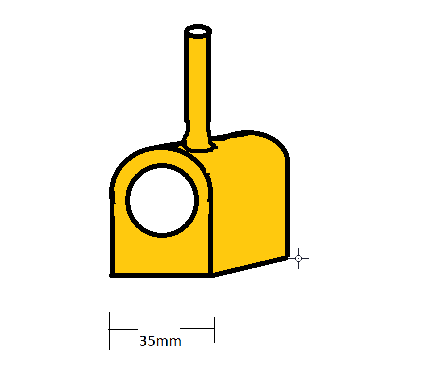
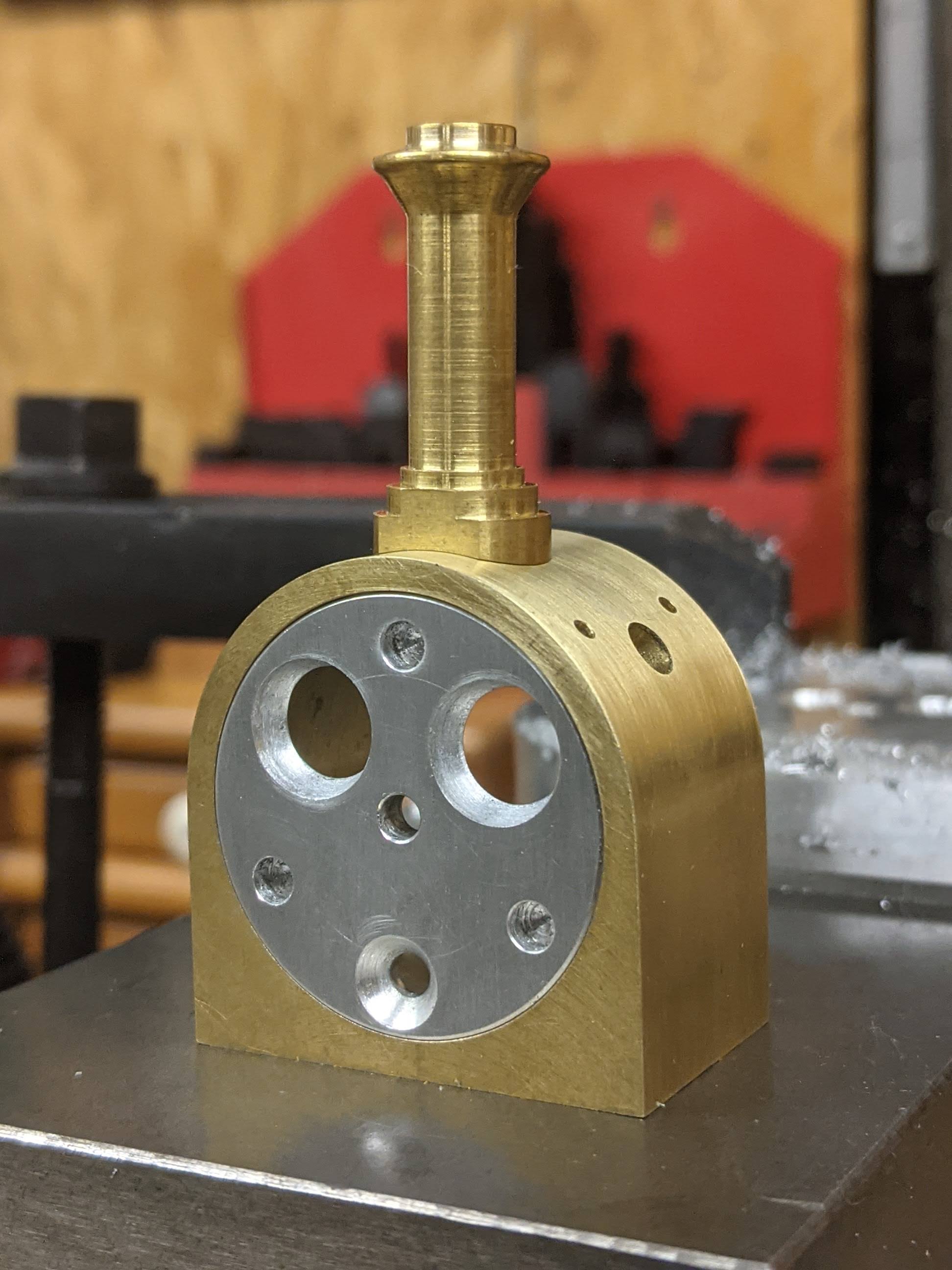
Basic diagram of what I am trying to do

Actual parts

Drew
  • 2,275
  • 11
  • 23
Jake Henry
  • 131
  • 5

3 Answers3

1

Arranging pre-heat is almost a must.

I have done similar, where I have even used two torches to achieve the result needed.

So, either a second torch (my preference) or a bigger torch (easy to overheat), make sure both parts are clean and use flux.

I also made use of the kitchen oven (asked first though) but, one has to work quick as the heat goes out the open door, also working conditions can be cramped...

Solar Mike
  • 16,242
  • 1
  • 27
  • 33
1

I'll throw this in there because there are already a few answers. If you don't need extreme precision you could use some nice hardwood pieces as insulators. Wood has good insulating properties, and probably better dimensional properties than ceramic fiber.

If you need more precision you could perhaps buy some precision ceramic pieces from ebay or mcmaster?

Drew
  • 2,275
  • 11
  • 23
0

This looks like the easiest method.

  • mate tubing to surface and file to fit.
  • sand with coarse grit to accept solder
  • use plumbing solder and acid flux
  • lay the pieces over work surface to raise tube to exact height and loose heavy supports to hold in place, yet not clamped to transfer much heat.
  • heat joint in 5 seconds with micro-torch
  • remove flame and add solder, then reflow solder with heat for 1 second

https://www.youtube.com/watch?v=i4bUd8tl7-Y

I have use similar processes with liquid tin-plated brass foil hybrid shields with lids on PCB's.