1

I am conducting an experiment for work that involves grinding 10 kg (to start) of salt into a fine powder (around 40 µm particle size). The salt comes in granules up to 2 mm in diameter. There must be minimal heating of the salt, and it should be a fairly quick process. Lastly, the cost should be reasonable, since this is only an experiment to test whether a greater investment and specialized solution is worth it. Here's what I tried so far:

  • A stainless steel conical burr coffee grinder: This produced the result I want but the motor struggled and the salt accumulated inside. It also takes a very long time.
  • A small coffee grinder with blades: This did make a fine powder, but the salt and the motor overheated.
  • A grain grinder very similar to the one in this video: The powder was not fine enough, and going finer results in the disks rubbing together and the 20 A breaker tripping.
  • A rotary tumbler with steel balls: the tumbler spun way too slowly, and better machines with a large capacity seem to cost a lot of money.

Any help and perhaps specific product recommendations would be greatly appreciated.

Edit: by fairly quick I mean it shouldn't take more than 8 hours. A reasonable price would be up to $1000.

ericnutsch
  • 8,305
  • 1
  • 16
  • 32
Darek
  • 13
  • 2

1 Answers1

1

Note that most salts are typically not heat sensitive materials as opposed to something like sugar that will melt. Perhaps your salt is something proprietary, and that's okay.

The method you choose will also depend on the size distribution you require and the acceptable contamination level. For example do you need 40µm mean with a standard deviation of 5µm or 500µm.

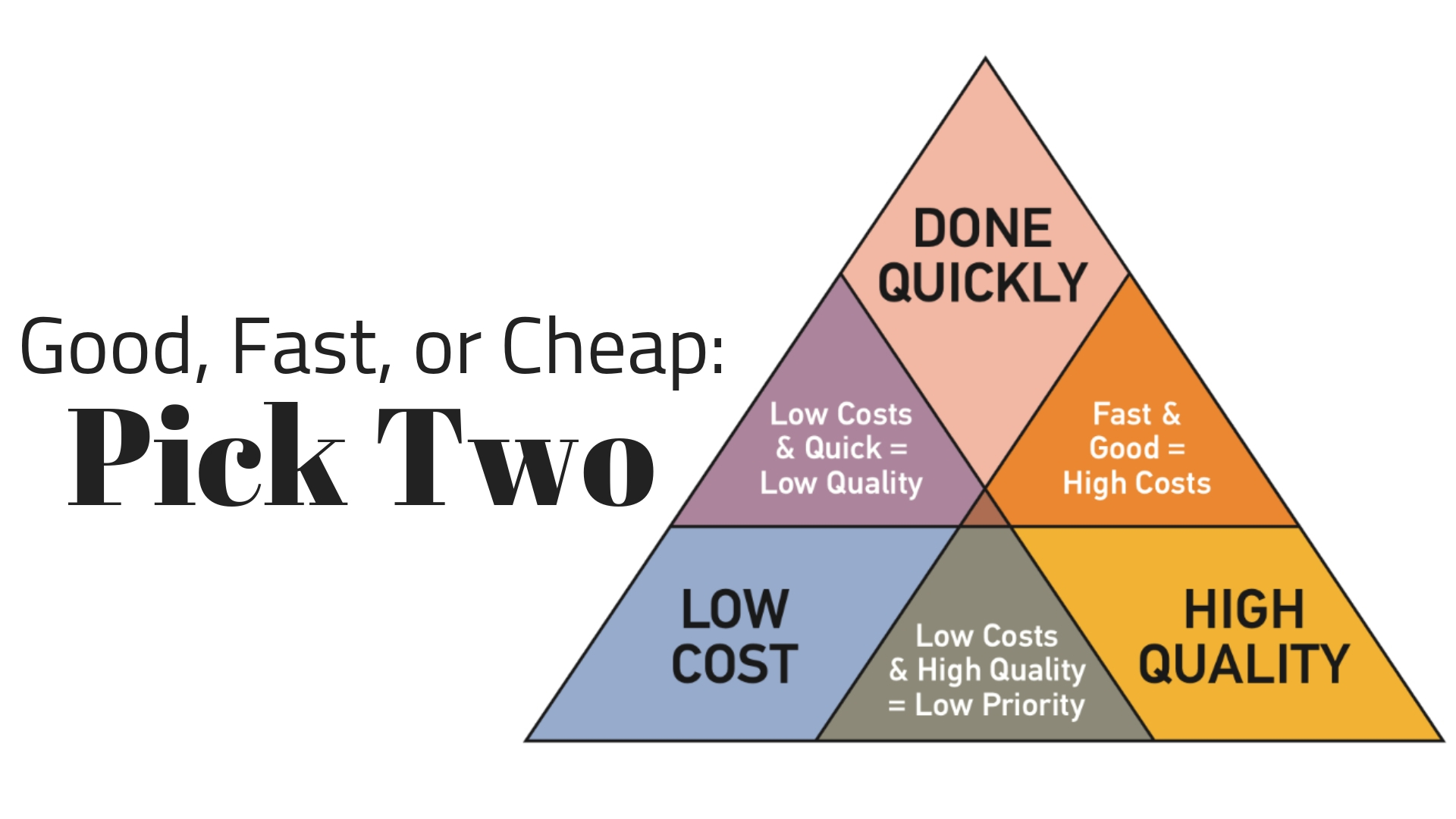
See the good/fast/cheap triangle; this is a common engineering problem of priorities. There are lots of variables here so you will need to constrain your project a bit more to receive a precise solution.

For the lowest standard deviation and contamination level and no thermal stress you would want to use spray drying. This would be at the highest quality end of the triangle.

For the cheapest option I would recommend a home-made ball mill. You just need a rotating drum and ceramic or stainless balls (select base on the acceptable type of contaminate). A low cost option would be a cement mixer; however note that the first batch would have lots of paint contamination. Or use a larger number of residential grade rock tumblers. There are also lots of mid grade rock tumblers under the $1k budget. Adding a solvent that does not dissolve your salt may reduce caking and dust when handling.

For the fast/cheap option you could use a high quality blender rated for 2 minutes of continuous operation. Then you could add a solvent that does not dissolve your salt but provides thermal mass for cooling.

ericnutsch
  • 8,305
  • 1
  • 16
  • 32