2

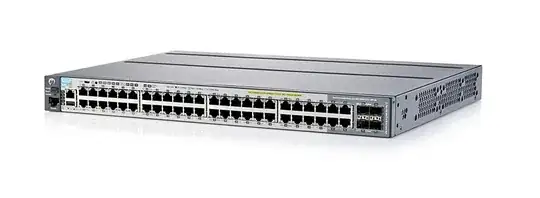
I've scoured the internet, but nobody seems to be able to decide whether RJ45 sockets should go with the release catch facing up or down.

For instance, Netgear has their ports this way:
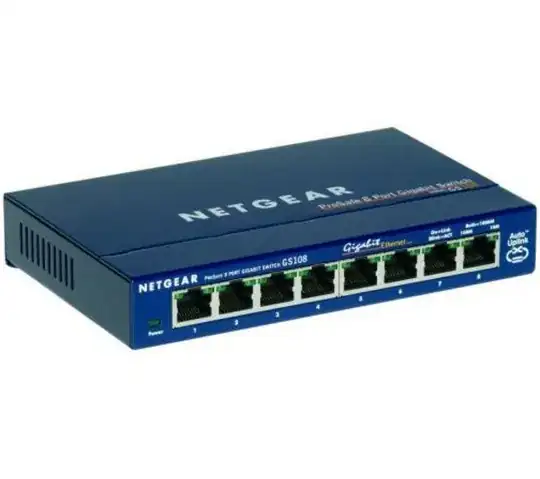
Netgear Switch

But Cisco has their ports the other way:
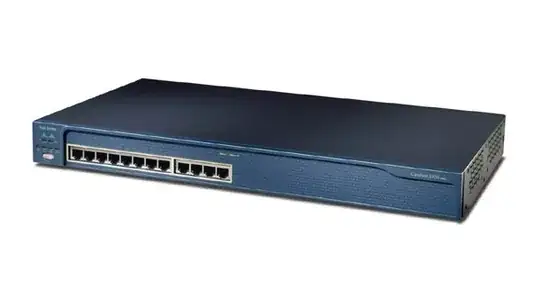
Cisco

So which is right, or does it not really matter?

Edit:

I should have made myself more clear. I am asking this because I am designing a piece of hardware with a single row of Ethernet sockets, and given the variety of port configurations on the market I thought it best to get an expert opinion.

Alfo
  • 191

4 Answers4

11

The preferred way for a single port would be:

Pins on the top (clip on the bottom), so dust can't settle on them.

Andrew
  • 8,312
9

The standard is both directions, because most (non-consumer-grade) switches in 2014 have two rows of ports per unit or blade:

enter image description here

ewwhite
  • 201,205
5

It does matter if there are two rows of switch ports. Then two rows are usually facing in opposite directions, such that the connectors are easier to handle:

16 port switch

The same does not really apply to switches with only one row of ports. I have been looking on all the switches I have with only one row, and every one of them has the same orientation as on the Cisco switch you mentioned, that even includes one Netgear switch.

On computers they tend to have the opposite orientation, like on the Netgear switch you mentioned.

The Cisco switch in your image looks like the ports may have that orientation because they want to use the same design all the way from 12 to 48 ports.

kasperd
  • 31,086
1

The choice often has to do with the orientation of the connectors used and their position on he printed circuit board. Equipment manufacturers have to purchase the socket modules that are already available.

Ergonomics will come into the question, but not necessarily as a primary criterion.

Sometimes, if the device is part of a family with some units fitted into larger chassis, then the orientation in the product line will determine the packaging, leaving an individual product less than optimal.

In some of the consumer equipment, the orientation changes over time suggesting commercial drivers.

Pekka
  • 530