Let's do a comparison
MyISAM Caching vs InnoDB Caching
MyISAM only caches index pages from the .MYI files into a global buffer called the MyISAM keycache (sized by key_buffer_size). MyISAM Data does not cache data global. It only does so per DB Session (sized by read_buffer_size and read_rnd_buffer_size)
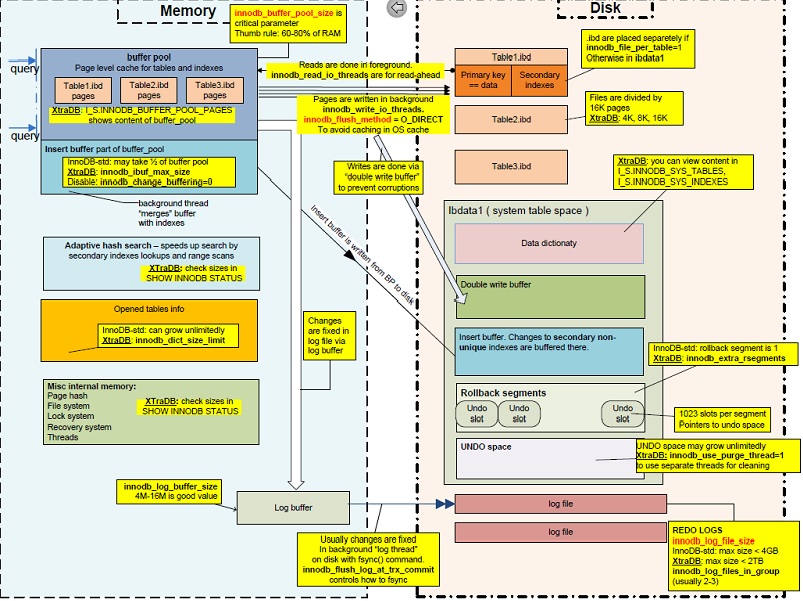
InnoDB has a very elaborate framework for managing data and index pages cached in memory (Pictorial Representation of InnoDB by Percona CTO Vadim Tkachenko).
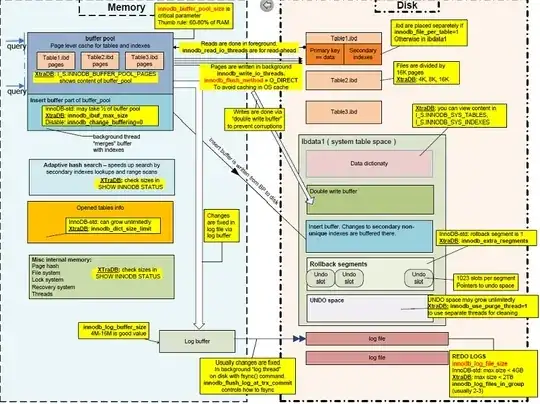
The memory side of the framework caches data and index pages in the InnoDB Buffer Pool (sized by innodb_buffer_pool_size).
See my earlier posts on this
Table Write Behavior
MyISAM performs a full table lock with each DDL and and DML statement. InnoDB allows multiple transactions to access and update an InnoDB table. To increase write throughput for many transactions, you would need to increase the log buffer size of InnoDB (sized by innodb_log_buffer_size)
Read Speed
There are rare occasions where MyISAM can be faster to read than InnoDB. Such an occasion would be a high read/low write. For high read/high write systems, my money would be on InnoDB. Please read my answer to the May 03, 2012 post Which is faster, InnoDB or MyISAM?
CPU Utilization
Only InnoDB can take advantage of tuning for more CPU engagement
MySQL 5.5 vs MySQL 5.6
While I could write many things about this, you are better off reading What's New in MySQL 5.6 to see those differences. You will even better off reading What Is New in MySQL 5.7 and going to MySQL 5.7 instead.